

AAOS Now, August 2026
-
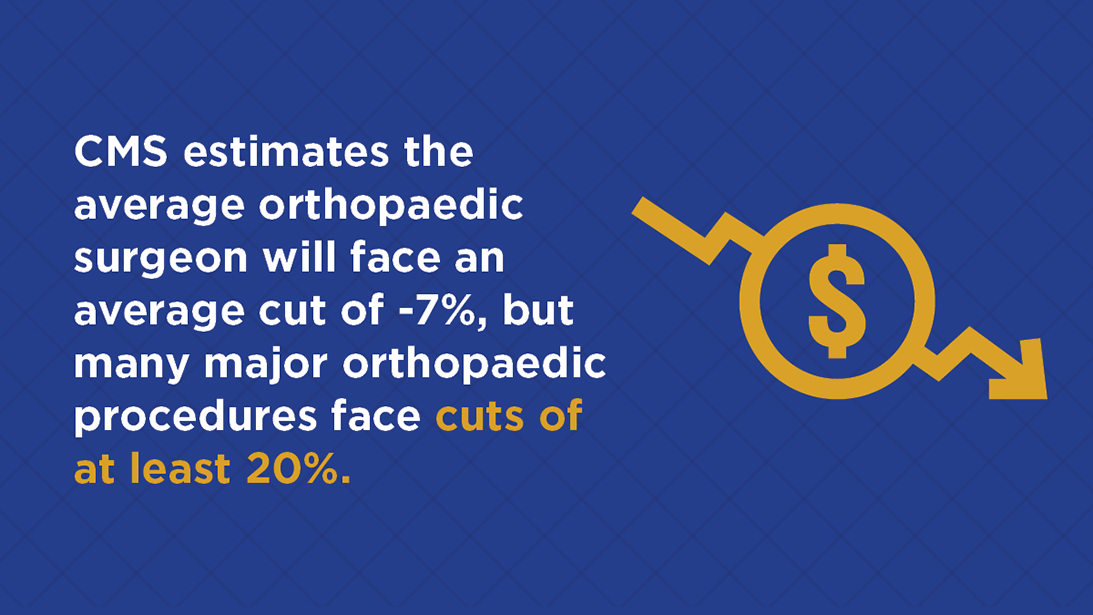
Protecting independent practice and patient access
We have arrived at a critical crossroads for orthopaedic surgeons. An existential threat is reshaping our profession, and our response will define its future.
-

Eyes on the patient, not the screen: The orthopaedic case for ambient AI
In the decades since electronic health records (EHRs) permeated medical practice, conversations with patients have devolved into keyboard tapping and hours spent completing charts at home.
-
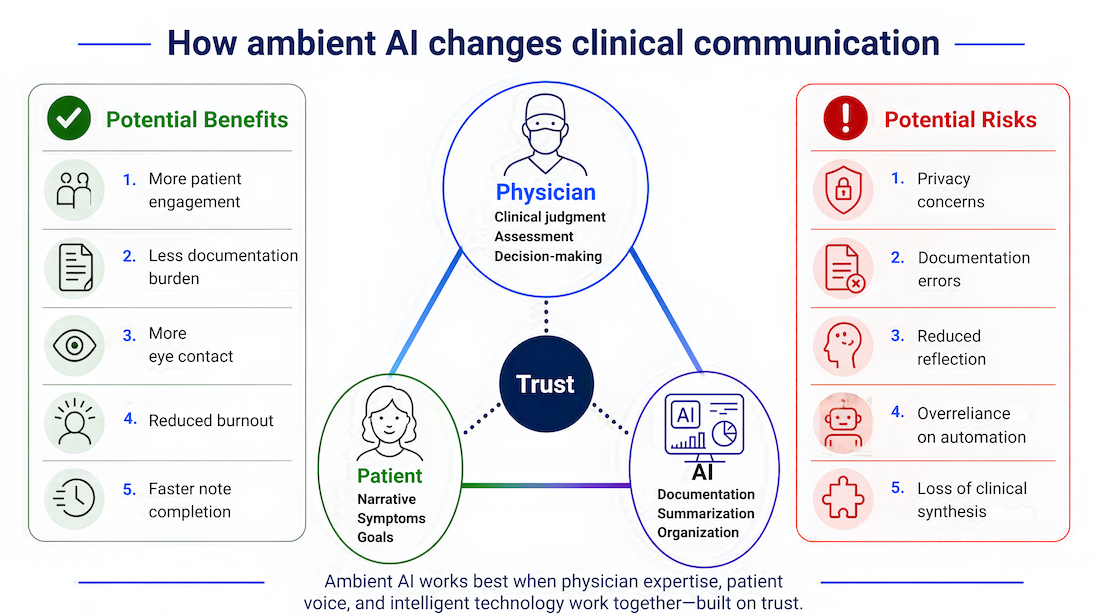
Clinic notes in an AI era: The medium can change the message and the messenger
For physicians, the clinic note has specific purposes: documenting the patient history and exam and offering a clinical assessment and planned next steps, all preserved for future reference.
-
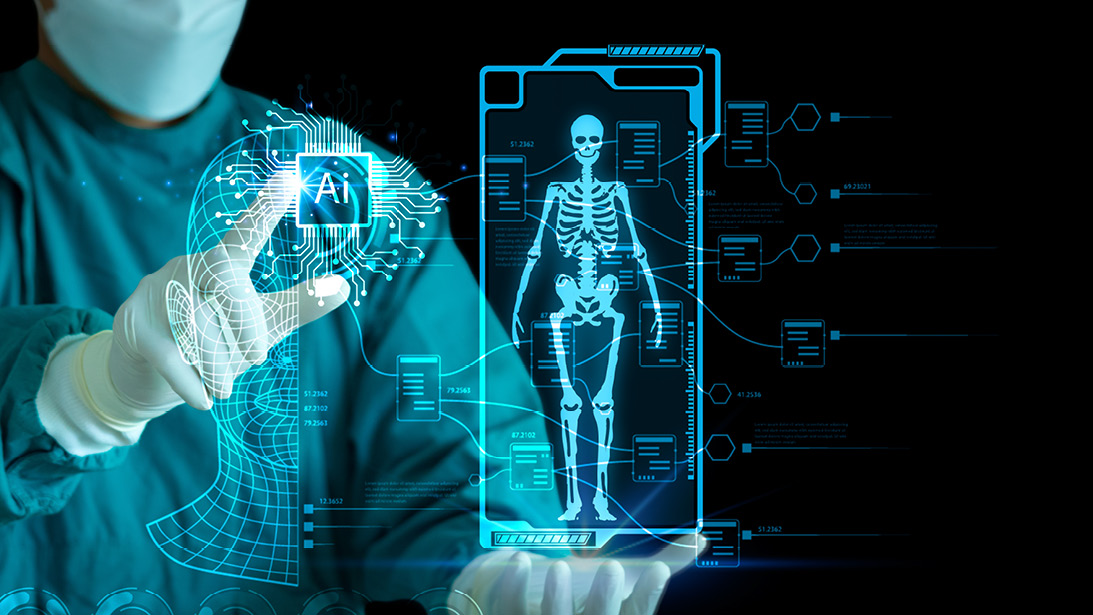
Orthopaedic fundamentals: Artificial intelligence is an assistant, not a replacement, in orthopaedic research
Artificial intelligence (AI) has boomed in recent years, and its growth is, at once, exciting and full of possibilities while also disconcerting.
-
Navigating the cost question: When does technology in spine surgery pay off?
As navigation and robotic technologies become increasingly visible in orthopaedic surgery, questions about clinical benefits are now being accompanied by questions about cost.