

AAOS Now, August 2026
-

AAOS Advocacy Gains Momentum as Congress Pushes Back on Proposed Medicare Cuts
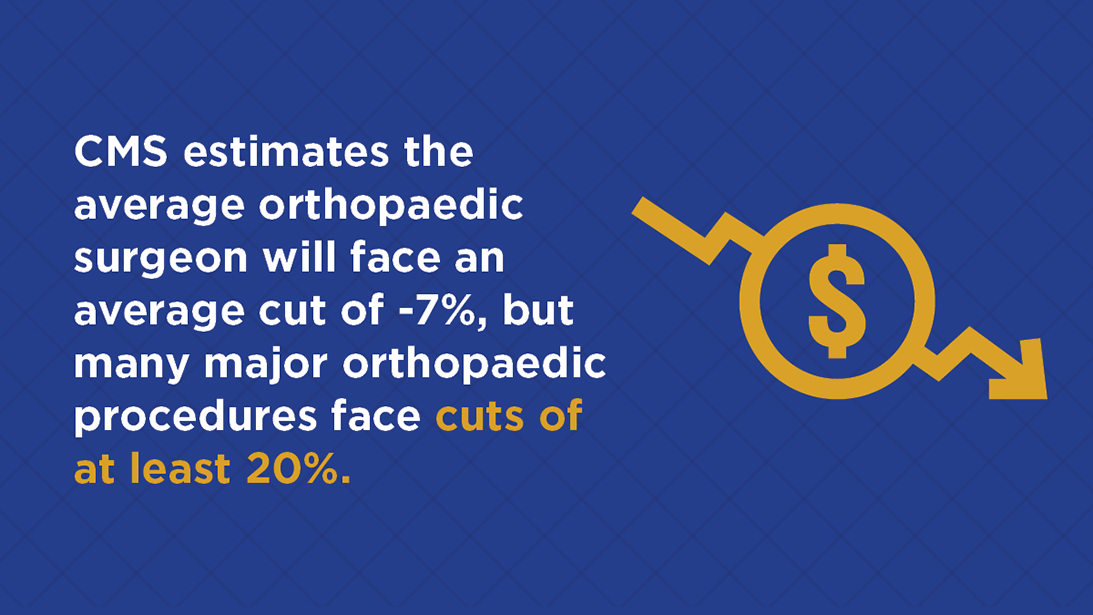
Rep. Greg Murphy, MD, of North Carolina is leading a congressional sign-on letter urging CMS to halt proposed payment cuts in the CY27 Medicare Physician Fee Schedule proposed rule that would negatively impact musculoskeletal care.
-

Patients want accuracy, but still value the human touch
As artificial intelligence becomes increasingly visible in healthcare, orthopaedic surgeons are beginning to face a new reality: patients are no longer arriving armed only with Google search results.
-
Protecting independent practice and patient access
We have arrived at a critical crossroads for orthopaedic surgeons. An existential threat is reshaping our profession, and our response will define its future.
-
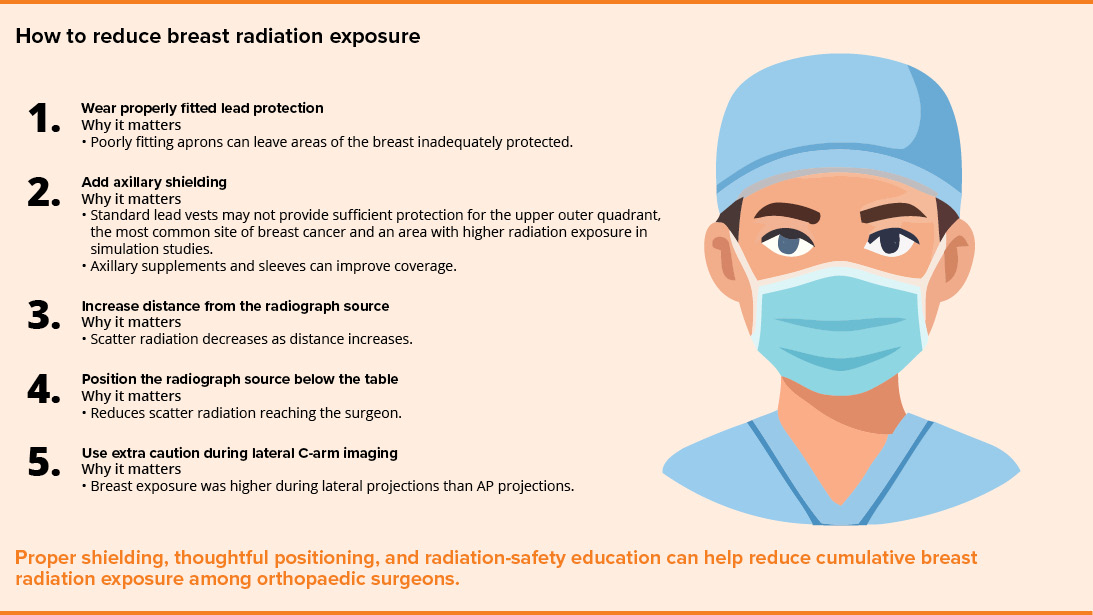
Female orthopaedic surgeons face unique breast cancer risks
I can tell you exactly where I was when I found out that my wife was diagnosed with Stage 3B invasive lobular carcinoma of the breast.
-

Surgeons should carefully evaluate employment contracts before signing
Good physician employment contracts codify a mutual agreement between a surgeon and the organization they intend to join.
-

Eyes on the patient, not the screen: The orthopaedic case for ambient AI
In the decades since electronic health records (EHRs) permeated medical practice, conversations with patients have devolved into keyboard tapping and hours spent completing charts at home.
-
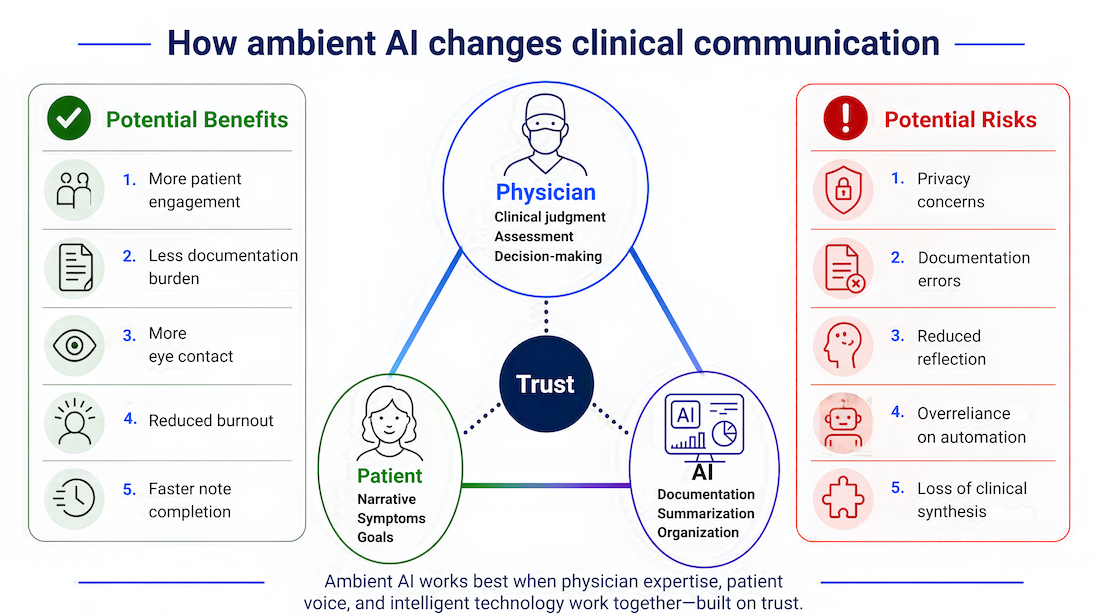
Clinic notes in an AI era: The medium can change the message and the messenger
For physicians, the clinic note has specific purposes: documenting the patient history and exam and offering a clinical assessment and planned next steps, all preserved for future reference.
-
Practice management pathways for long-term growth
Independent orthopaedic groups entered 2026 facing familiar headwinds: macroeconomic uncertainty, reimbursement pressures, and increased labor costs that continue to challenge the business of delivering orthopaedic services.
-

AAOS launches new Pain Management Resource Center to support safer, more personalized care
With tens of millions of Americans living with acute and chronic pain, there’s an increasing focus on safer, more personalized approaches to treatment.