


Patients and Caregivers

Make informed pain management decisions throughout your care and recovery
Explore resources to better understand your options, plan for recovery, use medications safely, and ask informed questions during care.

Start Here
Start with resources that answer common questions and help you find information that fits where you are in your care or recovery.





Featured Resources
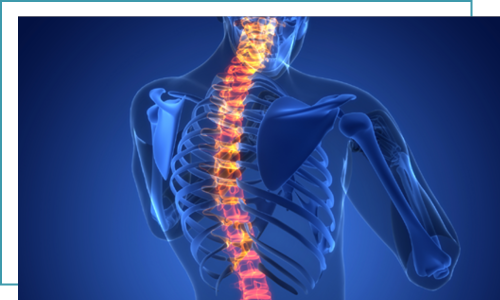
Daily Spine Surgery Recovery Journal
A journal to help track pain, activity, healing, and questions after spine surgery.
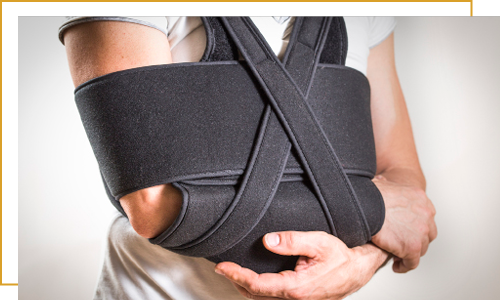
Pain Management After Shoulder or Elbow Surgery
A guide covering what to expect after shoulder or elbow surgery and how to manage pain safely.
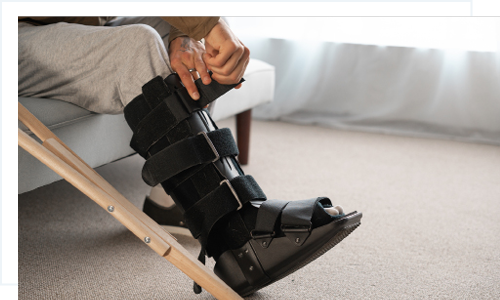
Pain Management After Foot and Ankle Surgery
A guide covering what to expect after foot or ankle surgery and how to manage pain safely.
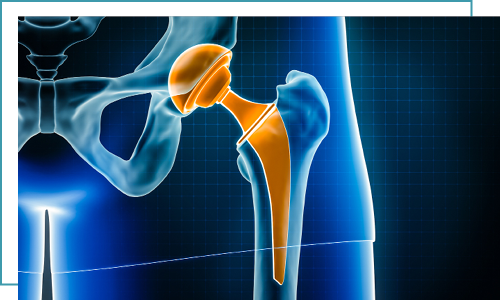
Pain Management After Hip or Knee Replacement
A guide covering what to expect after hip or knee replacement and how to manage pain safely.

Frequently Asked Questions
-
Acute pain is pain that starts suddenly and usually has a clear cause, such as an injury, surgery, or infection. It often improves as your body heals. After orthopaedic care, some pain is expected, but your care team can help you understand what level of pain is normal, what treatments may help, and when pain may signal a concern.
-
Opioids are prescription medicines that can help with severe pain, but they also carry risks, including sleepiness, constipation, nausea, dependence, opioid use disorder, overdose, and slowed breathing. If you are prescribed an opioid, take it only as directed, use the lowest amount needed for the shortest time possible, and ask your care team how and when to taper as your pain improves. Store opioids securely and dispose of unused medicine safely.
-
Before surgery or treatment, ask what kind of pain to expect, how long it may last, and what options are available to manage it. You can ask about non-opioid medicines, ice, elevation, physical therapy, nerve blocks, activity changes, and other strategies that may fit your situation. Be sure to tell your care team about all medicines you take, any history of substance use, and any concerns you have about pain or opioid use.
-
Recovery is different for each person and depends on your condition, procedure, health, and activity level. Pain should generally improve over time, though it may change as you move more, begin therapy, or return to daily activities. Follow your care team’s instructions, take medicines as directed, keep follow-up appointments, and ask what milestones or warning signs you should watch for.
-
Contact your care team if your pain is getting worse instead of better, your medicine is not helping, you have troubling side effects, or you are unsure how to take or taper your medication. You should also ask for help if you notice signs of infection, new numbness or weakness, uncontrolled swelling, or symptoms that feel unusual for your recovery. Call emergency services right away for severe trouble breathing, extreme sleepiness, confusion, chest pain, or other urgent symptoms.
Infographics
Visual guides to help you understand important pain management and recovery topics at a glance.
Sponsored Resources
Explore resources provided by our sponsoring partners. AAOS reviews these materials for relevance and appropriate placement. Inclusion does not represent endorsement of any product, service, or treatment approach.
This Pain Management Resource Center made possible through the generous contributions of:





Disclaimer: AAOS does not endorse any treatments, procedures, products, or physicians referenced herein. This information is provided as an educational service and is not intended to serve as medical advice. Anyone seeking specific orthopaedic or pain management advice or assistance should consult his or her orthopaedic surgeon, or locate one in your area through the AAOS Find an Orthopaedist program.